
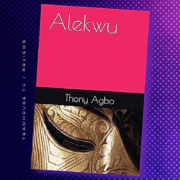
ALEKWU by Thony Agbo Literary Review | A Deep Dive Into African Traditional Drama
ALEKWU by Thony Agbo Literary Review explores the depth of African traditional drama through themes of morality, communal judgment, spirituality, and cultural conflict within a Nigerian setting.
I recently came across ALEKWU by Thony Agbo on Amazon and decided to read it out of curiosity, particularly because of its strong cultural and traditional undertones. What began as a simple reading experience gradually unfolded into a thought-provoking dramatic work that explores morality, communal judgment, gender dynamics, and the complexities of tradition within an African setting.
ALEKWU is a tragic social drama rooted in African traditional theatre. Through its characters and unfolding conflicts, the play examines how power, spirituality, and societal expectations shape the lives of individuals within a close-knit community.
One of the strongest aspects of Thony Agbo’s ALEKWU is that it goes beyond being just a stage play; it serves as a deep exploration of the conflict between traditional practices and modern principles. At its core, the story presents a relatable domestic conflict that slowly erupts into public scrutiny, transforming a private marital issue into a wider conversation about justice, power, and societal judgment.
The play centers on Amedu and Otinu, a couple whose marriage begins to deteriorate under the weight of suspicion, infidelity, and spiritual pressure. What starts as a personal crisis quickly escalates into a community-wide conflict. The plot is clearly structured, and Agbo succeeds in building tension steadily toward the climax without losing the reader along the way.
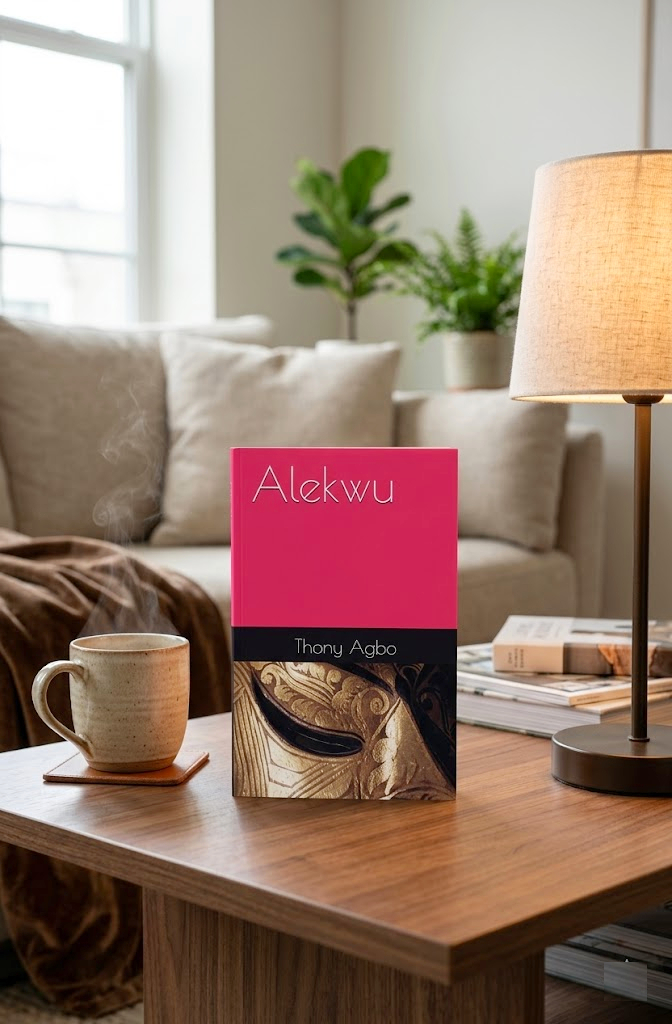
Fundamentally, the thematic direction of the play is what lingers long after reading. It boldly addresses gender double standards and the selective morality often enforced within society. As the story unfolds, it becomes increasingly clear that the community’s judgment is not entirely rooted in justice, but also in power, reputation, and self-preservation. The irony reaches its peak in the final scenes, where the very individuals condemning Otinu are revealed to be morally compromised themselves.
The incorporation of cultural and spiritual elements, particularly the concept of Alekwu and traditional rituals, gives the play authenticity and depth. It captures a familiar African reality where traditional beliefs and modern religious practices coexist, often in tension with one another.
While the thematic direction is compelling, certain aspects of the execution would benefit from further refinement. The dialogue occasionally becomes overly explanatory, with characters stating emotions and intentions too directly. A more subtle and nuanced approach would allow the emotional weight of certain scenes to resonate more naturally.
Similarly, although the characters play important roles in advancing the story, some of them feel more symbolic than fully developed. Adding greater emotional depth and internal conflict would make them more relatable and memorable.
Agbo clearly understands how to build dramatic tension, and the play maintains a steady progression throughout. However, the balance between buildup and payoff could be improved. Some early scenes unfold slowly, while major turning points occur rather quickly. Allowing those climactic moments more breathing room would strengthen their emotional impact significantly.
Despite these observations, ALEKWU stands out for its willingness to confront uncomfortable realities within society, particularly concerning gender expectations and social injustice. Otinu’s final reflection encourages the audience to look beyond the events of the story and consider the broader implications of communal judgment and hypocrisy.
Ultimately, ALEKWU is a culturally grounded dramatic work with a strong thematic focus and a clear social message. While there is room for refinement in dialogue, pacing, and characterization, the play remains a meaningful contribution to contemporary African storytelling, especially in its exploration of morality, tradition, and justice.