From Devotion to Airwaves: Seun Adeyemo’s “YAHWEH” Becomes Song of the Week

Seun Adeyemo’s worship anthem YAHWEH earns Song of the Week recognition on TeamHouseTV after a featured spotlight on People’s FM Abuja with Teemillar.

Seun Adeyemo’s spiritually charged worship single “YAHWEH” has been selected as TeamHouseTV’s Song of the Week, following its special feature on People’s FM Abuja, where it was highlighted during a segment hosted by Teemillar.

The recognition marks another meaningful milestone for the worship record, which has continued to resonate with gospel music lovers through its message of reverence, surrender, and intimacy with God. Since its initial release and official visual rollout, YAHWEH has steadily built momentum as one of the worship songs connecting deeply with faith-driven audiences across Nigeria and beyond.

The People’s FM Abuja feature adds strong broadcast credibility to the song’s growing reach. Being spotlighted on a respected radio platform, especially within a curated music segment, reinforces the record’s spiritual and cultural relevance in today’s gospel music conversation.

People’s Top 10, hosted by Teemillar, the segment reportedly emphasized the song’s atmosphere of worship and its ability to draw listeners into a place of reflection and divine focus. That kind of radio acknowledgment often plays a major role in extending the life and impact of inspirational records.

What makes YAHWEH stand out is its sincere devotion to worship without sacrificing sonic quality. Seun Adeyemo leans into heartfelt expression, allowing the song to function not just as music, but as a ministry tool that meets listeners in personal moments of prayer, gratitude, and spiritual renewal. It is the kind of record that moves beyond streams and enters real-life spaces, from church gatherings to personal devotion playlists and now mainstream radio recognition.

As more listeners discover the track through the People’s FM Abuja spotlight, YAHWEH appears poised to remain a significant worship anthem in the current gospel music cycle.

DJC Unveils New Love-Themed Single “Matrimony,” A Soulful Soundtrack for Commitment and Forever

Nigerian artist DJC, real name Ahmed Badejo, releases his new 2026 single Matrimony, a heartfelt song exploring love, commitment, and lifelong union. Read the full TeamHouseTV story.

Nigerian music talent DJC, has officially released a brand-new single titled “Matrimony,” a song already drawing attention for its emotionally rich title and striking visual rollout. The release marks another important moment in the artiste’s evolving musical journey, adding a fresh layer to a growing catalog that has steadily resonated with listeners across different moods and life experiences.

The newly released single arrived on March 25, 2026, according to DJC’s latest streaming profile updates, positioning Matrimony as his newest official body of work.

With a title like Matrimony, the song instantly suggests themes of love, union, loyalty, and the emotional weight of lifelong promises. While fans are yet to fully unpack the lyrical depth, the release artwork already sets the tone for something deeply intentional. The bold blue-themed cover art, paired with DJC’s confident presence, gives the song a polished and emotionally expressive identity that feels both modern and timeless.

For longtime followers of DJC’s music, this release reflects the artist’s consistency in building records around real emotions, relatable life themes, and memorable sonic storytelling. From earlier projects such as Crown Deluxe, Crown (The Monarch), and his 2025 project king (like father like son), Ahmed Badejo has continued to shape a sound that blends introspection with artistic confidence.

In an era where songs about fleeting relationships often dominate, DJC appears to be steering the conversation toward intentional love and deeper commitment, a subject that naturally connects with listeners navigating romance, engagement, marriage, or personal reflection.

This latest release could also find strong appeal in the wedding and lifestyle content space, where emotionally resonant songs often become staples for proposals, ceremonies, and love-centered social storytelling.

With Matrimony, DJC is not just dropping another song. He is offering a record that feels perfectly positioned to soundtrack meaningful moments in people’s lives. In one of his interviews, DJC mentioned, “I want to continue strengthening my voice as an artist, unafraid to explore themes that touch the heart.”

Fans can now stream Matrimony across major digital platforms.

SACNET 26’s “Connecting Vision & Voices” Leaves Lasting Impact on Abuja’s Creative Community

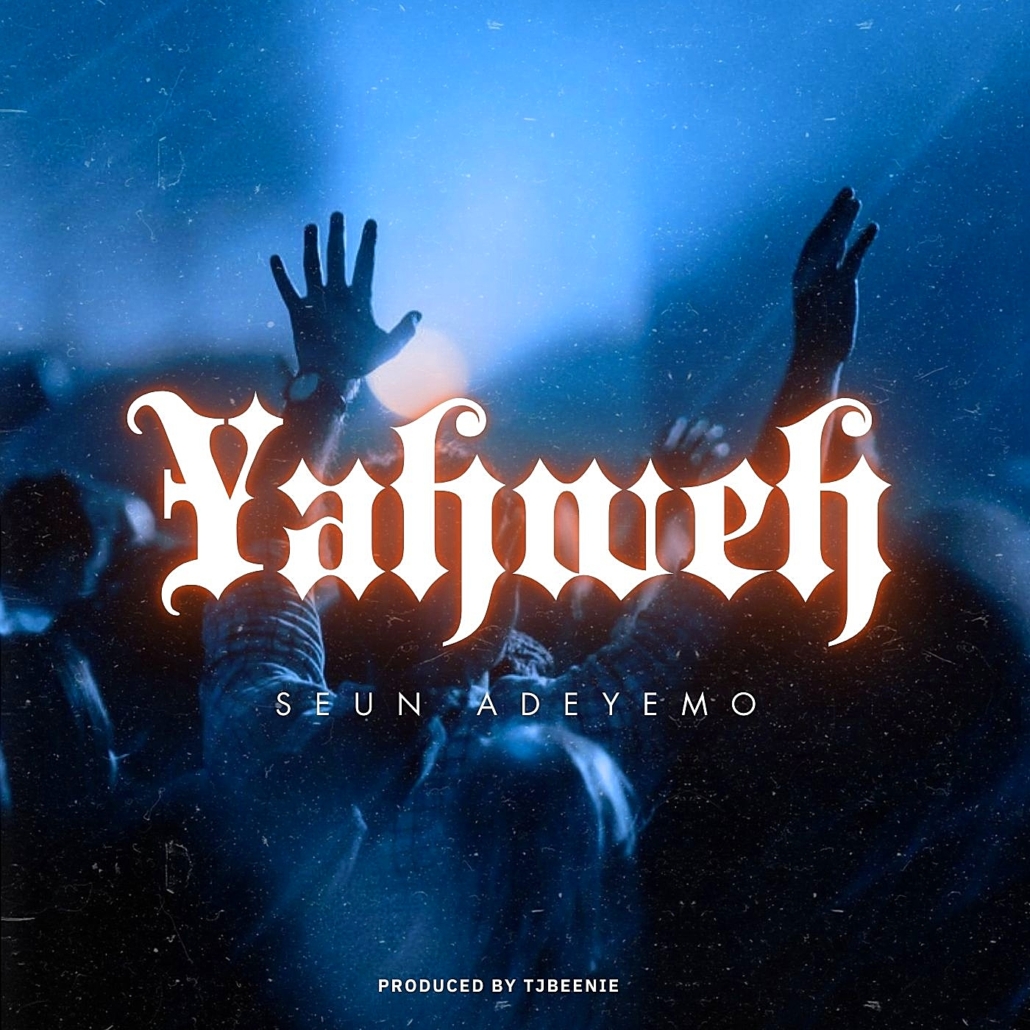
SACNET 26 Creative Influence successfully brought top industry voices to Abuja, connecting entertainment, business, and culture leaders in a premium creative summit powered by SPADEZ and supported by the British Council.

Abuja’s creative and cultural ecosystem recently witnessed one of its most refined and high-level gatherings as SACNet 2026: Creative Influence – Connecting Vision & Voices successfully brought together leading voices from entertainment, media, business, and the wider creative industry.

Convened by Obianuju Asika and organized by Spadez Management and PR Limited, with strong support from the British Council, the summit was designed as a premium, thought-leadership-driven platform. It created an atmosphere where influence met innovation, giving both established and emerging creatives a shared space for dialogue, collaboration, and future-building.

Hosted at the prestigious British Council, Plot 3645 Ibrahim Babangida Way, Maitama, Abuja, the event’s setting reflected its global outlook and intentional positioning as a serious platform for cultural exchange and creative advancement within Nigeria’s capital.

A Platform Built on Vision and Collaboration

At its core, SACNet 2026 was built around the idea of connecting powerful ideas with the people bold enough to execute them.

Under the theme “Connecting Vision & Voices,” the summit emphasized the critical role of collaboration in the creative economy especially in a city like Abuja, where innovation across media, music, film, fashion, and digital storytelling continues to grow.

Through carefully curated sessions, the event explored how creatives can move beyond talent into structured influence, sustainable careers, and ecosystem impact.

Industry Voices Driving Meaningful Conversations

The summit featured an impressive lineup of respected industry leaders and facilitators. Among the standout speakers were Obi Asika and Kemen Fitness, who delivered powerful keynote sessions that resonated strongly with attendees.

Panel sessions brought together notable voices including Mayo Okunnu, Sa’a Maccido, Daro Umaigba, Chef Taylor, Remi Osifo, Uzee Usman, Halima Tata, and others, with conversations spanning fashion, lifestyle, tourism, wellness, and the business of creativity. Moderation and session facilitation ensured the discussions remained practical, engaging, and industry-relevant.

A defining moment of the event was the highly interactive keynote by Obi Asika, which led to the spontaneous announcement of the Abuja Creative Week: a bold new initiative to be led by Obianuju Asika, further extending SACNet’s impact beyond a one-day gathering into a broader creative movement.

Impact and Outcomes

What set SACNet 2026 apart was its ability to go beyond talk and spark tangible outcomes. The summit successfully:
– Connected creatives across industries
– Created opportunities for visibility and collaboration
– Facilitated meaningful networking and partnerships
– Introduced new initiatives that will shape Abuja’s creative future

From red carpet interviews to panel sessions and networking moments, the energy throughout the event reflected a community ready to build, collaborate, and scale.

Positioning Abuja as a Creative Powerhouse

The premium execution, strong speaker lineup, and institutional backing positioned SACNet 2026 as more than just another industry event. It stood as a bold statement on the growing importance of Abuja as a hub for creative business, culture, and influence.

By bringing together media personalities, entrepreneurs, and cultural facilitators, the summit created valuable intersections capable of shaping the future of entertainment, fashion, content creation, and enterprise in Nigeria’s capital.

In an era where the African creative economy is gaining global attention, platforms like SACNet ensure that Abuja remains an active and relevant part of that narrative.

As the curtains close on this year’s edition, the momentum is far from over. With the upcoming Abuja Creative Week and other ecosystem-driven initiatives led by Spadez Management and PR Limited, SACNet is clearly evolving into a year-round platform for creative growth and influence.

If SACNet 2026 is anything to go by, future editions promise even deeper conversations, stronger partnerships, and greater impact.

SACNet 2026 delivered a premium, culturally relevant, and industry-shaping experience one that will continue to echo across Abuja’s creative and business landscape.

More than an event, it was a signal:
Abuja’s creative community is not just growing, it is organizing, collaborating, and stepping into influence.

Seun Adeyemo Unveils New Video for “YAHWEH”

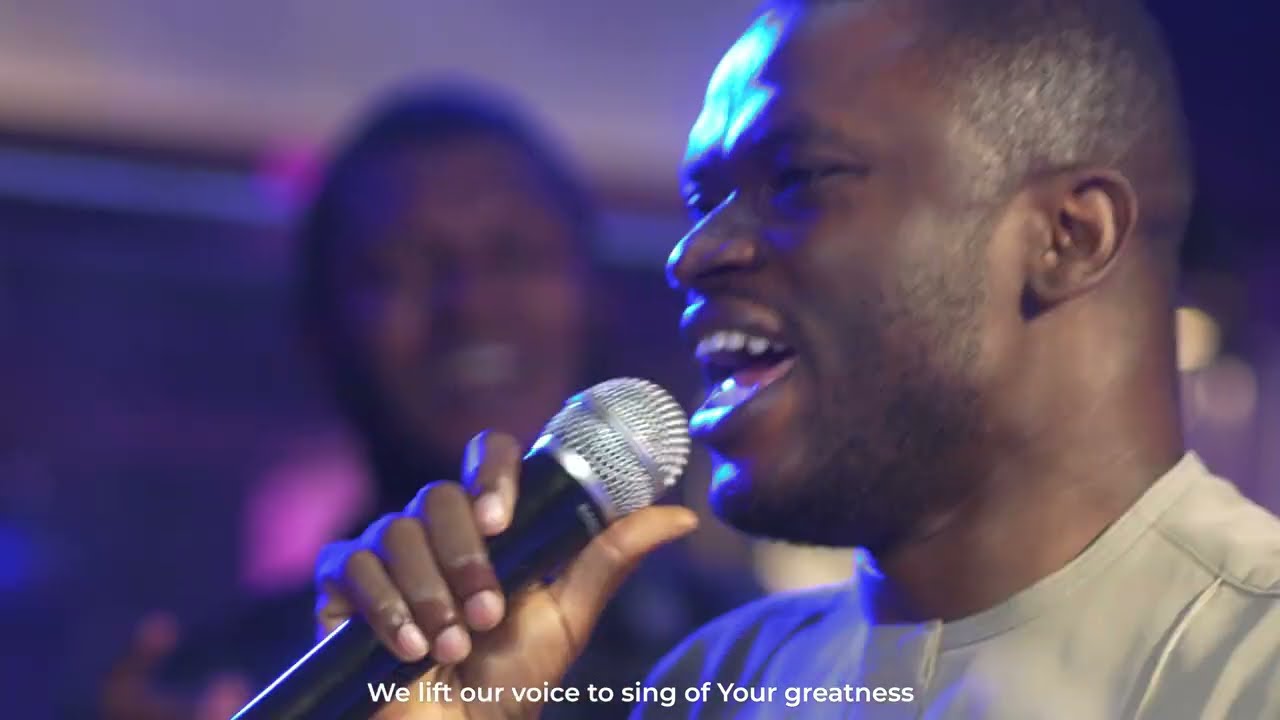
Nigerian worship artist Seun Adeyemo has released the official video for “YAHWEH,” bringing a fresh visual expression to the contemporary gospel song that continues to resonate with worship audiences.

Available on digital streaming platforms including Spotify, Apple Music, and YouTube, “YAHWEH” stands as a heartfelt worship record that blends soulful vocals with modern instrumentation to honor the name and presence of God. The release further reflects Adeyemo’s devotional artistry, combining faith-driven lyricism with polished production that connects with Christian listeners both in Nigeria and across the diaspora.

Rooted in the gospel and contemporary Christian genre, the song is delivered in English while drawing from African worship influences that strengthen its spiritual depth and cultural identity. At its core, the message remains one of worship and exaltation, centered on the divine name “Yahweh.”

The arrangement of the song is built on melodic piano layers, ambient guitar textures, and rich choral harmonies, creating a worship atmosphere that feels both meditative and celebratory. This sonic direction supports Seun Adeyemo’s mission to craft worship experiences that encourage intimacy with God and invite listeners into reflective praise.

Lyrically, “YAHWEH” focuses on adoration, emphasizing God’s holiness, sovereignty, and enduring faithfulness. For a gospel audience, the name Yahweh carries deep biblical significance, often associated with God’s self-revelation and covenant relationship with His people. This scriptural weight gives the song both personal and congregational relevance, positioning it as a worship anthem suitable for church gatherings and live ministry settings.

The release has continued to gain attention among gospel listeners in Nigeria and within the global Christian diaspora, with many drawn to its sincerity and strong vocal performance. Its growing reception also reflects the increasing visibility of African worship voices within contemporary global Christian music.

With the release of this new video, Seun Adeyemo further strengthens his place among emerging gospel ministers shaping the sound of modern worship through authentic expressions of faith.

YouTube player

Are We Losing Ourselves? – The Quiet Erosion of Nigerian Culture in a Global Age

There was a time when you could recognize a Nigerian without asking—by the rhythm of their language, the texture of their clothing, the easy familiarity in how they greeted you. Culture was not something we performed; it was something we lived. It showed up effortlessly, in our homes, our humor, our values, and even in silence.

Today, that certainty feels less obvious.

Somewhere between global trends and digital validation, something subtle is shifting. Not loudly, not abruptly—but quietly, steadily. And the question we are almost afraid to ask is this: are we evolving… or are we slowly losing ourselves?

The truth is, the world has changed—and we have changed with it. The rise of social media has collapsed distance, bringing global culture into our hands in real time. What we wear, how we speak, what we aspire to—these are no longer shaped only by our immediate environment, but by a constant stream of external influence. Trends move fast, and identity, it seems, is trying to keep up.

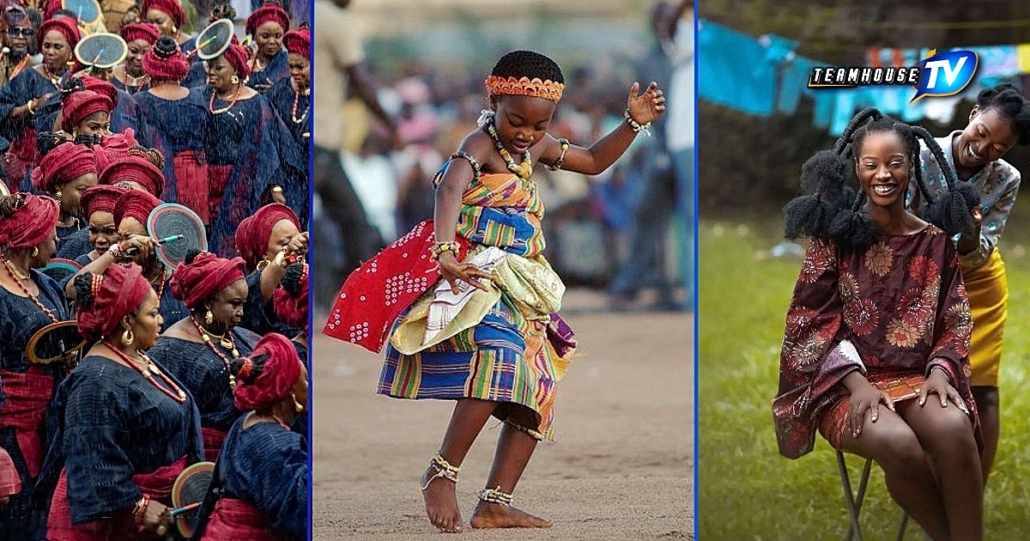
It is now common to hear foreign slang woven seamlessly into everyday conversations. Phrases like “It’s giving…”, “periodt”, “as you should”, or “no cap” slip easily into speech, even among people who grew up speaking Yoruba, Igbo, Hausa, or Pidgin at home. In some spaces, sounding “too local” is quietly avoided—people soften their accents, switch their tone, or replace familiar expressions with imported ones. A simple “well done” becomes “good job,” “abeg” becomes “please,” and over time, the shift feels normal, almost unnoticed.

Indigenous languages are not always being rejected outright—they are simply being used less. A child who understands their mother tongue may still struggle to speak it fluently. Friends who share the same language default to English in conversation. What was once natural is now becoming optional.

Fashion tells a similar story. Ankara, aso-oke, and other traditional fabrics, once worn casually and confidently, are now often reserved for weddings, cultural days, or themed events. On regular days, global fashion trends dominate—cargo pants, streetwear, minimalist aesthetics inspired by Western influencers. Even when traditional pieces are worn, they are sometimes styled to fit a global standard, subtly reshaping their original identity.

At the same time, Nigerian culture has never been more visible. It is celebrated online—in weddings that go viral for their grandeur, in food content showcasing jollof rice, amala, and egusi, in dances that trend across continents. There is pride in this visibility, and rightly so. But it also raises a more uncomfortable question: how much of this expression is lived, and how much of it is curated?

It is not unusual to see someone who rarely engages with their culture offline present a highly cultural version of themselves online—dressed traditionally for content, using phrases they do not normally speak, participating in trends that attract attention. Culture, in these moments, can become performance—something displayed for validation rather than something deeply experienced.

Still, it would be too simple— and perhaps unfair— to frame this entirely as loss. Culture is not static; it evolves. It adapts to time, context, and influence. What we are witnessing may not be erosion in the strictest sense, but transformation—messy, complex, and inevitable.

The real question, then, is not whether change is happening, but whether it is happening consciously.

Because culture is more than clothing, language, or aesthetics. It is memory. It is belonging. It is the quiet thread that connects generations, even when everything else changes. When that thread weakens, people may not notice immediately—but over time, something begins to feel unanchored.

Perhaps the real danger is not in becoming global, but in becoming disconnected. Not in adopting new ways, but in forgetting the meaning of the old ones. Not in evolving, but in doing so without intention.

Culture does not disappear overnight. It fades in the small, everyday choices—what we wear without thinking, what we stop practicing, what we slowly begin to overlook. And in those choices, we are shaping something, whether we realize it or not.

So maybe the question is not whether we are losing ourselves.

Maybe the question is whether we are paying enough attention to who we are becoming.