
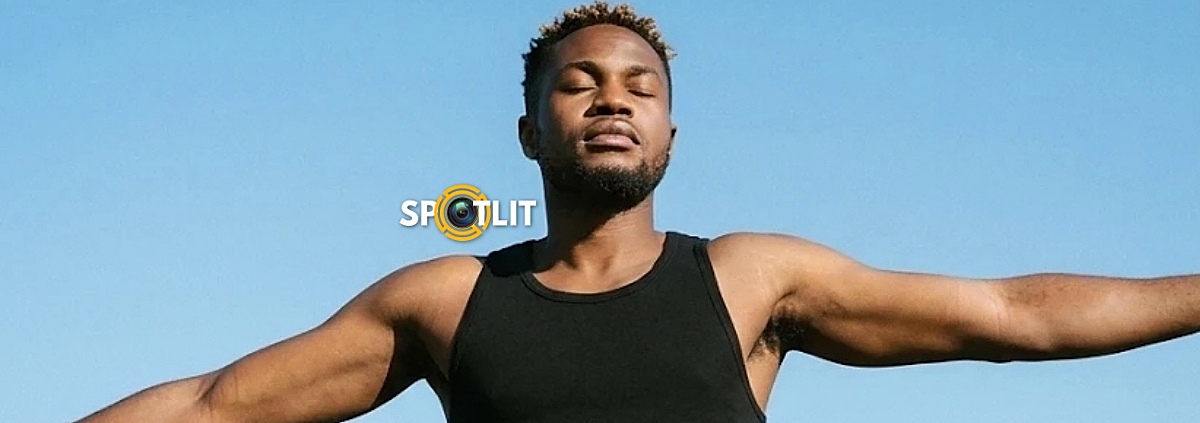
Before the Spotlight: Remembering Rayce and the Sound He Brought to Nigerian Music
Rayce is a Nigerian musician whose journey through Afropop, Highlife and Hip-Hop stretches back years before today’s global Afrobeats spotlight. Before wider recognition found him, the artiste had already spent years developing a sound of his own.
For an artist whose music carried a feel-good groove, street-inspired hooks and a laid-back energy, Rayce stood out by refusing to sound like everyone else.
Who Is Rayce, the Nigerian Musician?
Born Rayce Amoni Kingsley, the Nigerian-born artiste from Lagos, with roots in Edo State, developed a musical identity that blended Afropop, Highlife and Hip-Hop. That fusion became part of what distinguished his sound.
Rayce was also associated with songs including “Just Like That,” “Wetin Dey” featuring Davido, “Tetela,” “Jack Sparrow” and “Roll.” But his story goes beyond the records he released.

Before the Spotlight
Rayce began his music journey in 1999, but recognition did not come immediately.
Years later, in 2007, his first video, “Nakiye,” began bringing his name into the spotlight.
It was another step in a journey that had already been years in the making.
Then came “Tested Okay.”
Released in 2012, the song carried an unusual title but represented a significant point in Rayce’s development as he continued expanding his reach as both an artiste and music producer.
More Than an Artiste
One of the less obvious parts of Rayce’s story is his connection to music production.
During his prime, he was described as having a natural ability to create sounds, with his production skills attracting other artistes.
Among them was 2Shotz, whose single “Ojobiokoto” became a hit.
That side of Rayce’s career adds another layer to his story.
He wasn’t simply finding his own sound; he was also contributing to the sound around him.
The Sound That Moved the Crowd
Rayce’s appeal came from a combination of elements that were easy to recognize: feel-good grooves, street-inspired hooks and a relaxed energy. Rather than forcing his music into a particular mould, he developed a sound that carried its own character.
It was music designed to connect – easy to feel, easy to remember and distinct enough to stand apart. Rayce’s journey is a reminder that recognition does not always arrive at the beginning of an artist’s story. His music journey started in 1999. Recognition followed years later.
His career developed through both artistry and production. And somewhere along that journey, he created a sound that listeners could identify with. That makes Rayce more than a name from a particular period of Nigerian music. His story is part of the wider history of how Nigerian artists developed their identities, experimented with sound and built audiences before the era of today’s global Afrobeats spotlight.
Rayce Now: Revisiting the Sound
Rayce, however, has not remained only a memory from an earlier chapter of Nigerian music.
He recently returned to one of his past records in a freestyle shared on his Instagram page, vibing to his 2018 track “Beta Boi.” The post quickly drew attention online, bringing the song and the artiste back into conversations among listeners who remember his earlier work, while introducing the record to a newer audience.
The moment also connects to “Beta Boi Plus,” a 2026 single by Rayce, according to Spotify. The release links back to the earlier “Beta Boi,” originally released around late 2018 under Admire Beatz Music.
That return to an older record gives the song a new context: a look back at where Rayce’s sound came from while also showing that the artiste is still engaging with the music that helped define an earlier chapter of his career.
For listeners who remember Rayce, it is a reminder of a familiar sound. For those discovering him for the first time, it offers a reason to go back and listen. Before the spotlight, there was the work. And Rayce’s story is still unfolding.





Leave a Reply
Want to join the discussion?Feel free to contribute!