
Afrophobia: A Growing Threat To African Unity
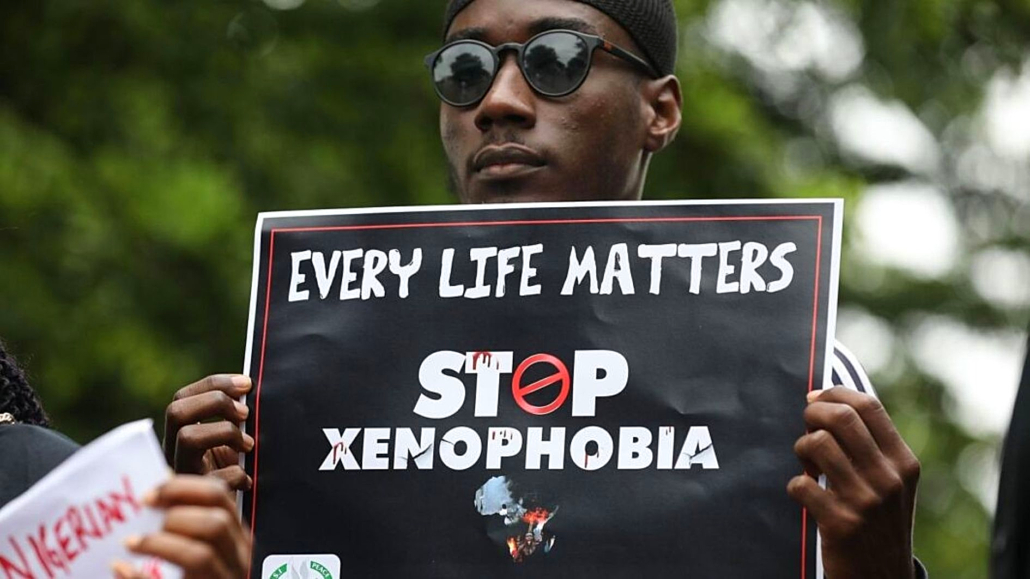
The forced eviction and persecution of black African migrants in South Africa is one of the most disturbing problems facing the African continent today. Some countries, such as Nigeria, have started to evacuate their nationals from the former apartheid enclave after self-styled South African vigilantes issued a notice on June 30 for black African migrants to leave.
This latest reprehensible development comes after previous waves of such attacks in 1994, 2008, 2015, 2019, 2021-2022 and 2025-2026 during which black African migrants and their businesses were targeted with deaths, injuries and destruction of livelihoods. Much of the violence has been driven by economic frustration, with some South Africans blaming fellow Africans for unemployment and other socio-economic problems instead of addressing the structural causes of their country’s problems.
Several Africans were killed even before the deadline for eviction, and many others lived under the constant threat of violence, taking refuge in embassies and other safe locations until evacuation.
On the appointed day, thousands of youths armed with clubs and other crude weapons marched through the streets of several South African cities chanting anti-immigrant slogans and making threats. ” In their rage they made no distinction between documented and undocumented migrants.
Consequently, Nigerian returnees have been returning home, recounting heartbreaking stories of businesses abandoned, investments lost and dreams shattered as they fled the so-called Rainbow Nation.
The South African government’s reaction has been disappointing. By not taking decisive action to rein in identifiable vigilante leaders who are making open threats against fellow Africans, the government has created the impression of complicity through inaction. It is difficult to understand how President Cyril Ramaphosa’s administration could ignore such clear threats to lives and property.
This attitude is especially disturbing considering Nigeria’s huge contribution to the liberation of South Africa from apartheid. Research by the South African Institute of International Affairs (SAIIA) estimates Nigeria provided some $61 billion between 1960 and 1995 in direct financial assistance, institutional support and significant economic sacrifices in the fight against white minority rule.
Much of that support came in the form of economic measures. Nigeria had long kept an oil embargo on the apartheid regime, which reportedly cost it $41 billion in lost potential oil revenue. Also in 1979, the British Petroleum (BP) and Barclays Bank assets were nationalised in protest against the continuing economic links between the United Kingdom and apartheid South Africa.
Nigeria also demonstrated its solidarity through the Southern Africa Relief Fund (SARF), commonly known as the “Mandela Tax.”
Besides government funding, civil servants, students and ordinary Nigerians contributed millions of dollars to the anti-apartheid struggle. Nigeria also gave annual financial support to liberation movements like the African National Congress (ANC) and the Pan Africanist Congress (PAC) and provided scholarships, free education and even Nigerian passports to South African exiles.
Nigeria took the diplomatic lead in the campaign against apartheid, spearheading the effort at the international level, chairing the United Nations Special Committee Against Apartheid and mobilising support for sanctions and sporting boycotts which helped isolate the apartheid regime.
It is therefore deeply ironic that a country that has gained so much from African solidarity now stands idly by while fellow Africans are demonised, attacked and driven from their homes. This is not only ingratitude, it is a betrayal of the very ideals on which post-apartheid South Africa was built.
Migration is a human thing. It is not a crime to live and work legally in another country. South Africans themselves live and thrive in many countries across Africa and elsewhere without experiencing such organised hostility. If the South African government continues on this path, it risks isolating itself from the rest of the continent and undermining the spirit of African unity.
Equally troubling is the muted reaction of the African Union (AU). The continental body is advocating economic integration and free movement under the African Continental Free Trade Area and cannot afford to keep quiet when one of its leading members is ignoring these principles. The AU should unequivocally condemn the attacks, call on the South African government to take responsibility for protecting all lawful residents and consider appropriate measures to dissuade similar conduct elsewhere in the continent.
We commend the Nigerian government for announcing its intention to seek compensation for businesses and property destroyed or abandoned by Nigerian victims. The Acting Nigerian High Commissioner to South Africa, Temitope Ajayi, said the government is already compiling records of businesses and properties affected. He also confirmed that the overwhelming majority of Nigerians in South Africa are lawful residents who entered the country through legitimate immigration channels. Nigeria must also, besides investments, demand heavy compensation for the lives lost in this madness.
But the government must focus on rehabilitation, in addition to demanding reparations. The federal government and states should work together to provide returnees with financial support, skills assistance and other reintegration programs that would help them rebuild their lives. In this regard, Edo State deserves commendation for the prompt dispatch of a high level delegation to receive its returning citizens at the Nnamdi Azikiwe International Airport and begin arrangements for their reintegration. Other state governments should learn from this, instead of shirking the entire responsibility to the federal government or abandoning their indigenes to their fate.
The unfolding tragedy in South Africa must remind us that African unity must be defended not only in oratory, but by concrete action. The debt of morality which South Africa owes Africa and Nigeria in particular, cannot be repaid with hatred, violence and persecution.



Leave a Reply
Want to join the discussion?Feel free to contribute!